
If you’re looking for a Croatian destination that is not part of the big three (Dubrovnik, Hvar or Split), one that gives you the beaches, the culture, the history, and overall a solid reason to feel better when you leave than when you arrived, Lošinj is what you’re looking for.
This island in the Kvarner Bay has been officially recognized as a health resort since 1892, its air quality ranks among the highest in Croatia, and it sits in one of the most beautiful archipelagos in the Adriatic.
And my guide today covers everything you need to know before visiting: how to get there, what to do, when to go, where to stay, and why this island is so much more than just another pretty Croatian summer destination.
Let’s begin with the latest news and an extra bonus to visit this year!
Lošinj and the European Region of Gastronomy 2026
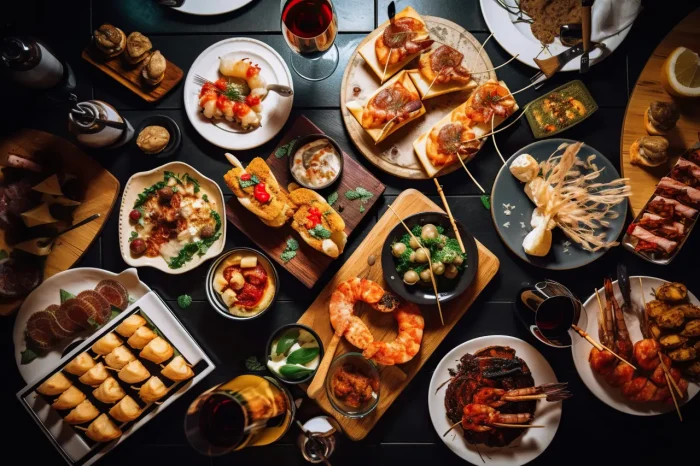
The entire Kvarner region, which includes Losinj, Cres, Krk, Rab, and the area around Rijeka and Opatija, has been named the European Region of Gastronomy 2026.
This is an important award that brings delicious food and cultural events to the region throughout the year.
The Lošinj Cuisine Festival in May is one of the highlights, but there are events throughout the year – and the food is always good. So if you enjoy sampling the local delicacies (who doesn’t), visiting this year makes everything even more special!
Why Lošinj Is Called the “Island of Vitality”
In 1892, two respected physicians, Dr. Conrad Clar and Prof. Ambroz Haračić, formally confirmed the island’s exceptional climate and its benefits for the respiratory system.
Since then, Lošinj has built a long tradition in the treatment of respiratory diseases, children’s asthma, allergies, skin conditions, and physical rehabilitation. That legacy is still alive today, not just in the island’s medical facilities but in the landscape itself.
The forests of Aleppo pine that cover much of the island release essential oils into the air, contributing to measurably low pollen counts and what modern studies still classify as Croatia’s highest air-quality tier.
You can actually feel it when you arrive: the air smells and feels different.
Getting to Lošinj
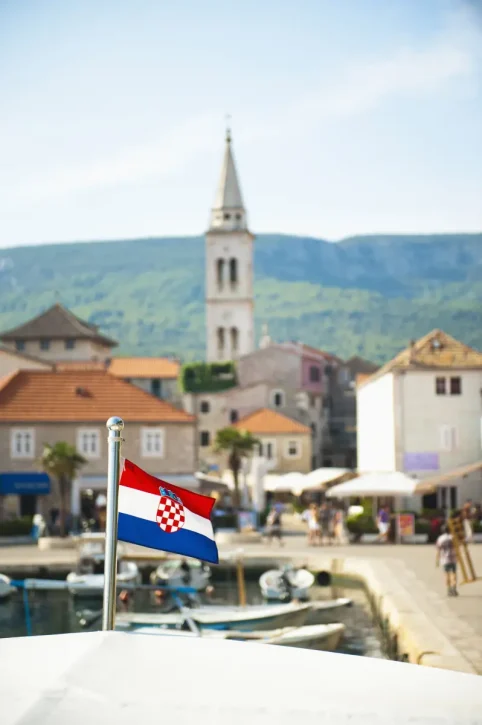
The island has solid connections to the mainland and other countries, so you have plenty of options:
By car
There are two driving routes you can take: the first starts with crossing the bridge from the mainland to Krk island, then proceeding to Valbiska for a 25-minute car ferry to Merag on Cres.
From there, it’s a scenic 66 km drive south to Lošinj.
The second route is better for travelers coming from Istria, using the ferry line Brestova to Porozina on Cres, then driving about 83 km south to the island.
Either way, having a car on Lošinj gives you real freedom to reach the quieter coves and corners that most visitors miss. And if you don’t drive here, you can always rent a car during your stay – here’s my recommended service for that.
By bus
Croatia’s bus system is phenomenal and I absolutely love it – so much that, on many occasions, I prefer it to driving!
There are plenty of buses running from various Croatian cities to Losinj – I recommend checking them out here, but prepare to be surprised by the low prices!
Despite that, the buses and the roads are really good, and it will be a pleasure to ride the bus. In Croatia, as I said, it’s my favorite means of travel! For travelers without a car, this is the most convenient and affordable land option.
By sea
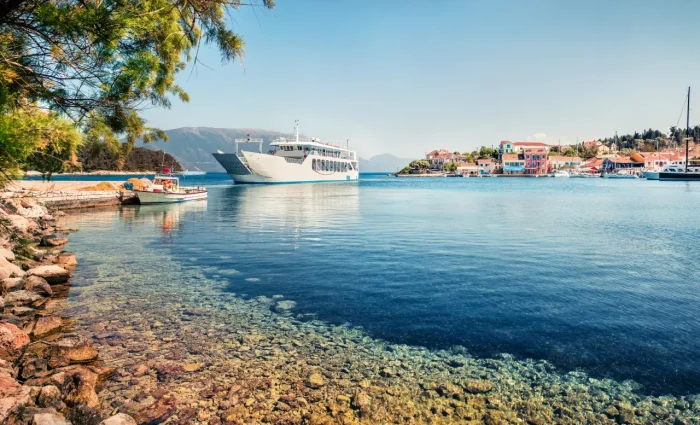
This is where it gets interesting, because you have several choices depending on where you’re starting from. I recommend checking out available ferries for your dates here (also based on the city of departure).
From Rijeka, Jadrolinija operates a daily high-speed catamaran to Mali Lošinj, stopping at Cres and other islands along the way. This is probably the most popular connection and runs year-round.
From Zadar, Jadrolinija’s car ferry line N° 401 carries both cars and passengers, stopping at Ist, Olib, Silba and Premuda on the way. It’s a slow route (close to six hours), but it’s the right option if you need to bring your car from the south.
From Pula or Zadar, Kapetan Luka operates a catamaran that runs year-round, once a week off-season, more frequently in summer. It stops at Unije and Sušak before Lošinj, and continues to Ilovik and Silba after.
Jadrolinija’s local ship line N° 310 connects Mali Lošinj with Srakane Vele, Unije and Sušak, useful if you’re island hopping in the archipelago.
From Italy, Liberty Lines runs a seasonal hydrofoil from Trieste to Mali Lošinj from late June through early September. If you’re coming from northeastern Italy, this is a clean and efficient option.
By air
Losinj no longer operates its airport for passengers (just as a general aviation facility), so you can’t fly directly to the island. If you do want to fly into Croatia from another country, the best option is to fly to Rijeka, Pula, or Zadar and then use any of the connections listed above.
You can also learn more about Croatia’s international airports here.
Where to Stay
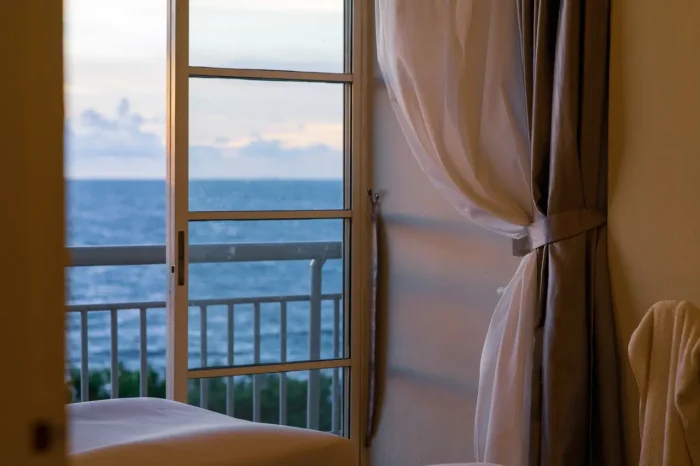
Mali Lošinj is the main port of entry and the natural base for most visitors, but staying in nearby Veli Losinj is also a good idea – you have great options in either place, from budget-friendly to four-star options.
Here are my recommended accommodation options in the area, listed from the most affordable to the more expensive, but each perfect in its own way:
- Villa Katarina Lošinj (perfect budget destination, on the outskirts of Mali Losinj)
- B&B Ciao Bella (if you’re up for amazing views, this one’s located in front of the marina).
- Dolphin Suites (beautiful place with a small pool in Veli Losinj)
- Vitality Hotel Punta (also in Veli Losinj, a large, impressive resort)
- Family Hotel Vespera (a more secluded hotel near Mali Losinj, close to the beach).
Private accommodation (apartments and rooms) is plentiful across the island and often the best value. Book early for summer, especially now that the Kvarner region’s 2026 gastronomy designation is drawing more attention to the area.
Beaches in and Around Losinj, Croatia
With 113 km of coastline and even more coves to explore, you’re not going to run out of options when it comes to beaches, especially if you like small, secluded ones. But a few stand out – and these are usually the largerst.
Veli Žal, on the eastern side of the island, is probably the most well-known and best-equipped beach – and the first stop once you get in the area.
It holds a Blue Flag certification, which means the water quality and facilities meet high European standards.
There’s a café, sunbeds, and watersports on offer. It’s busier than the quieter coves, but the facilities make it a reliable choice, especially if you’re traveling with children.
Cikat Bay in Mali Lošinj is the island’s main tourist beach area, within walking distance of the port and surrounded by the pine forest. It’s popular, but the bay is large enough that it doesn’t feel packed even in high season.
For something quieter, Zlatna and Srebrna Bay are worth checking out if you want the perfect balance between “off the beaten path” and still touristy. They’re accessible by foot or bike, and they reward the effort with clear water and far fewer people.
If you want to get more in-depth with all the options, I recommend checking my previous article sharing the best beaches in Mali Losinj.
Things to Do on Lošinj Island
Given that the island is marketed as a health and wellness destination, it’s easy to assume it’s mainly for slow holidays – and perfect for that, I would say, even though those looking for a more active type of vacation will still be happy with what’s on offer.
Here’s what I recommend doing and seeing when here.
Dolphin watching with the Blue World Institute
In Veli Lošinj, you’ll find the Blue World Institute for Marine Research and Protection, and I’d put a visit here as a priority.
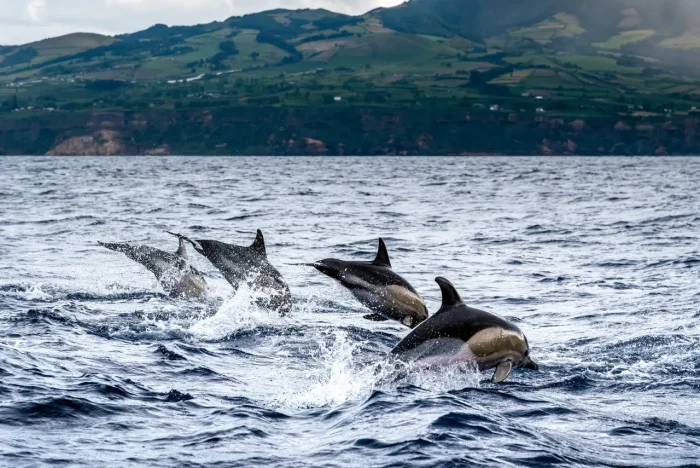
The waters around Lošinj are home to an estimated community of around 200 bottlenose dolphins, and the Institute organizes dolphin watching tours by small boat, lasting up to three hours.
If you don’t see any dolphins, you get to go again for free.
And in recent years, an unusual and rare guest has been spotted in the Lošinj archipelago: the Mediterranean monk seal, one of the most endangered marine mammals in the world. So if you’re lucky, you can spot one too!
The Aromatic Island Garden
Near Mali Losinj, the Lošinj Aromatic Garden is a place with over 250 wild aromatic plant species. Depending on the season, you’ll find rosemary, sage, myrtle, olives, lavender, figs, and much more.
You can sit on one of the benches while butterflies move around you, and then browse the small store for natural, homemade oils and herbs.
It doesn’t take long to visit, but it’s one of those experiences that sticks with you and comes as a nice, fresh breath of air compared to the regular churches, beaches and restaurants.
Given that the island’s plant diversity is part of what makes Lošinj special, this garden is a nice way to engage with that identity rather than just reading about it.
Viewpoint Providenca
If you like a good viewpoint – which is perfect for taking some amazing panormaic photos and Instagramable selfies – head to Providenca above Mali Lošinj.
The view over the town and the Kvarner Bay is the kind that makes you understand why people keep coming back to this island. It’s accessible on foot and doesn’t require any special gear or a guide.
Hiking and cycling
The island has a varied landscape, rocky and steep on the northeast, with flatter bays and beaches on the southeast.
There are marked cycling and hiking trails throughout, including routes that pass through pine forests, by beaches, and past historical sites.
The Losinj cycling trail starts from Mali Lošinj’s riva and loops through the former military complex, past Zlatna and Srebrna Bay, through Čikat and Sunny Bay.
It’s primarily aimed at mountain bikers, but sections are manageable for less experienced riders too.
Culture in Mali Lošinj
The old town area of Mali Lošinj is worth exploring on its own: narrow alleys, stone architecture, the parish church.
In summer, the church steps become an open-air performance space, and there are free concerts ranging from klapa harmonies (traditional Croatian a cappella) to orchestral performances.
Like in all places, visiting the historic center is full of surprises. Pleasant ones, too!
Geography: What Kind of Island Are We Talking About?
As I mentioned earlier, Lošinj is part of the Kvarner Bay island group, more precisely the Cres-Lošinj archipelago, which includes Cres (409 sq km), Lošinj (75 sq km), and a collection of smaller islands: Unije (17 sq km), Ilovik (6 sq km), Sušak (4 sq km), Vele Srakane (1 sq km), and several smaller uninhabited islands.
Lošinj itself is 33 km long, with the width varying from 4.75 km in the north and middle of the island down to just 0.25 km near the town of Mali Lošinj.
The total coastline is 113 km, and the whole thing abounds in bays and coves ideal for swimming and sunbathing.
You can drive the island north to south in about 30 minutes, which makes it easy to explore by car. On foot or by bike, of course, it takes considerably longer, and I’d argue that’s the better way to do it.
Lošinj and Cres were once a single island. Probably during the Roman period, a narrow channel was cut to separate them. This passage is called the Osor channel and the two islands are now linked by a small metal bridge, something similar to what you’d find on Murter island.
The bridge opens twice a day, at 9 AM and 5 PM, for 15 minutes, to let small boats pass at a maximum speed of 5 knots. What makes it particularly quirky is that it’s fixed on the Lošinj side and only the Cres side swings open.
When to Visit
While the weather is the warmest – and so is the temperature of the sea – July and August are not my top recommendation for visiting, although everybody seems to go during these peak season months.
This is also when the island is the busiest, accommodation prices are at their peak, and the ferries get crowded.
If you can be flexible, May and late September into early October are significantly better, although swimming options might be more limited (at least when it comes to the sea).
However, during this shoulder season, the beaches are quieter, the water is still warm enough, restaurants are open and less rushed, and you’ll actually get to have a proper conversation with locals. Accommodation is cheaper, too, which is always a big bonus, especially today when prices everywhere have gone crazy.
May is also when the Lošinj Cuisine Festival takes place, and it’s perfect for food lovers. Speaking of which, why not read more about Traditional Croatian foods here, or learn what the locals usually eat during Easter?
Wrapping Up
As you can see, the island as a whole, with Mali Losinj and Veli Losinj in particular, are a perfect place for your Croatian adventure. You will enjoy a perfect vacation if you choose the island as your next destination, and you will come back home relaxed, happy and ready to visit again.
If you have more recommendations for other people interested in visiting or if you have additional questions, don’t hesitate to post a comment down below.