
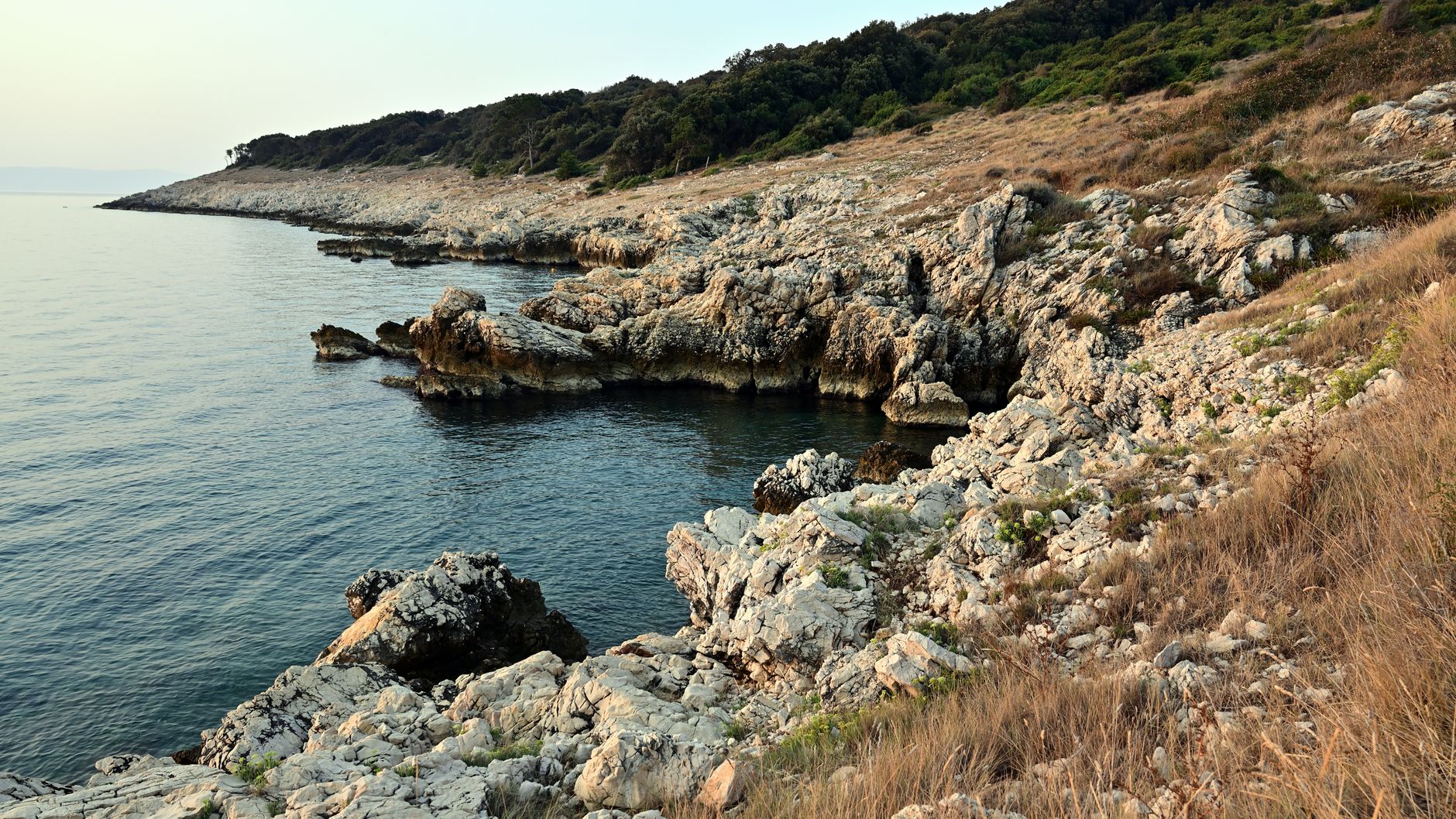
Croatia is one of those places that ruins you for everywhere else. The water is impossibly blue, the old towns look like someone dropped a movie set on the Adriatic, and the food — fresh grilled fish, homemade pasta, wine poured by people who actually made it — is the kind of thing you think about for years. But planning your first trip here can feel like trying to decode the Dalmatian ferry schedule in a language you don’t speak. Which islands? Which season? Do I need cash? Can I drink the tap water? How far is it, really, between Dubrovnik and Split? (Spoiler: farther than it looks on Google Maps.) These Croatia travel tips cut through the noise and give you the real stuff — the things that make the difference between a stressed-out tourist sprint and the trip of your life.
First-time visitors to Croatia should know: visit in the shoulder season (May, June, or September) to avoid peak crowds, always carry euros in cash for smaller businesses, book ferry reservations early in summer, pack water shoes for rocky pebble beaches, and understand that tipping is appreciated but not expected at around 10 percent.
Choose the Right Time to Visit
The single best Croatia travel tip nobody argues with: don’t go in August unless you love crowds and don’t mind paying peak prices for everything. August in Dubrovnik is like Times Square decided to take a vacation on the Adriatic. Gorgeous, yes. Peaceful, absolutely not. The best time to visit Croatia for families is the shoulder season — late May through mid-June, then September through early October. Water temperatures in September hover around a very swimmable 75°F, crowds thin noticeably after the first week of September, and accommodation prices drop by as much as 30 to 40 percent compared to July and August. Restaurants have actual availability. You can walk the Dubrovnik city walls without being sardined between selfie sticks. May and early June bring lush green hillsides, wildflowers on the islands, and near-empty national parks like Plitvice Lakes, where the waterfalls are at their most dramatic from spring snowmelt. The water is cooler — around 65°F — but perfectly fine for kids who run warm. Winter (November through March) is quiet to the point of eerie on the islands. Many restaurants and ferry routes shut down entirely. If you’re visiting just Zagreb or Dubrovnik, winter works fine and prices are excellent. But island hopping in November is not the move. One thing to watch: Croatia is one of the most popular destinations in Europe right now, and cruise ship traffic is real. You can check cruise ship schedules for Dubrovnik and Split online and plan your sightseeing days around their arrivals. It makes a dramatic difference.
Do Not Try to See Too Much
Here is where most first-timers go wrong with Croatia itinerary planning: they try to hit everything. Dubrovnik, Split, Hvar, Korčula, Plitvice, Zagreb, Vis, Rovinj — all in ten days. The result is that you spend half your trip on buses, ferries, and in taxi lines, and you arrive home exhausted having experienced none of it properly. Croatia is a long, skinny country. The drive from Dubrovnik to Zagreb takes about five to six hours on a good day. Island ferries run on schedules that do not care about your plans. The Jadrolinija car ferry from Split to Hvar is about an hour, but you might wait two hours in peak season to board. Factor that in. For a first trip of ten days, pick one region and go deep. A Dalmatia-focused itinerary might look like this: two days in Split exploring Diocletian’s Palace, three days on Hvar or Korčula, a day trip to a national park, then two or three days in Dubrovnik with time to actually sit in a café and watch the world go by. That’s a trip worth taking. If you have two weeks, you can reasonably add Zagreb and day-trip to Plitvice Lakes, or include Istria in the north, which has an entirely different feel — truffle country, hill towns, Roman ruins in Pula, and a gorgeous coastline that feels more Italian than Dalmatian. The key is building in buffer days. A boat gets delayed. A kid melts down. You find a perfect beach cove and can’t bring yourself to leave. Croatia rewards slow travel in a way that cramming ten destinations in does not.
Book Ferries and Hotels Early
Croatia ferry booking is one area where procrastination genuinely costs you. Jadrolinija — the main Croatian ferry operator — runs car ferries and passenger catamarans connecting the mainland to the islands, and in peak season (late June through August) the car ferry slots sell out weeks in advance. Foot passenger tickets are easier to get, but if you’re bringing a vehicle, book the moment your travel dates are confirmed. The Jadrolinija website (jadrolinija.hr) is the primary booking platform, though the interface takes some patience. TP Line and Krilo catamarans serve additional routes, particularly between Split and Hvar or Korčula, and these high-speed passenger ferries can also fill up quickly in summer. The helpful website Putovnica.net aggregates all Croatian boat schedules in one searchable place, which is genuinely useful when you’re trying to figure out how to get from Point A to Point B across multiple ferry operators. Hotel and apartment booking follows similar logic. Dubrovnik in particular books out many months ahead for peak summer. Properties inside or immediately adjacent to the Old Town are the first to go. Apartments and private rooms marked ‘sobe’ (the Croatian word for rooms, often on handwritten signs outside local homes) offer excellent value and a genuinely local experience — these book faster than you’d expect on Booking.com and Airbnb. For national parks like Plitvice Lakes, you now need to book entrance tickets online in advance during peak season. Walk-up tickets are no longer reliably available in summer. Check the official national park website early in your planning process. One insider tip that separates experienced Croatia travelers from first-timers: when you arrive at a ferry terminal in peak season, check the ferry departure board immediately upon arrival and get in line or secure your ticket before doing anything else. The line moves in ways that seem inexplicable until you’ve been there.
Bring Water Shoes for Croatian Beaches
Here is one of the most practical Croatia beach tips you will read: almost all of Croatia’s famous beaches are pebble beaches, not sand. The water is extraordinary — crystal clear, warm, and genuinely the color you see in travel photographs — but the entry into that water involves walking across smooth stones that can range from marble-sized to grapefruit-sized, often while being jostled by gentle waves. Without water shoes, this experience ranges from mildly uncomfortable to genuinely painful, especially for kids. With water shoes, it’s totally fine. Pack a pair for every member of the family. Lightweight neoprene water shoes or even plastic aqua shoes work perfectly. They also protect against sea urchins, which live in rocky areas and are invisible from above the water. A sea urchin spine in a child’s foot on day two of a ten-day trip is not how you want to start things. Zlatni Rat on the island of Brač is Croatia’s most photographed beach and one of the rare spots with actual sand — or more accurately, very fine pebble grading into something sandy. Stiniva on Vis is dramatically beautiful but involves a steep descent and a pebble beach at the bottom. The famous Blue Cave on the island of Biševo requires a small boat transfer and involves no beach at all — it’s a sea cave you enter by low boat in calm water, watching the sunlight create an electric blue glow that makes children go very quiet. For families specifically, the calmer bays on islands like Brač, Korčula, and Šolta tend to have gentler entry points. Look for bays with concrete platforms or wooden piers — these are common throughout Croatia and make getting in and out of the water much easier when you’re wrangling small kids.
Understand Cash, Cards, and Tipping
Croatia joined the eurozone in January 2023, which simplified life considerably for travelers. The currency is now the euro, prices are quoted in euros, and you no longer need to think in kuna. However, understanding how money and tipping in Croatia actually work in practice requires a bit more nuance than simply knowing the currency. Cards are widely accepted in cities, larger towns, tourist restaurants, and most hotels. Visa and Mastercard work reliably. But cash is still king in smaller villages, at markets, at family-run konobas (traditional Croatian taverns), on small island ferry ticket offices, and occasionally at beach bars and kiosks. Always carry some cash. A good rule: have at least €50 in cash on hand when you’re on an island or in a rural area. ATMs are common throughout Croatia. The important caveat: avoid standalone ATMs from operators like Euronet, which are plastered with helpful-looking currency conversion offers but charge terrible rates. Use ATMs from Croatian banks — Zagrebačka Banka, PBZ, and Erste are reliable choices with fair withdrawal fees. When any ATM or merchant asks whether you want to be charged in euros or your home currency, always choose euros. Dynamic currency conversion is a legal but consistently bad deal for the traveler. Tipping in Croatia is genuinely optional rather than socially obligatory, but appreciated. At restaurants, 10 percent is generous and welcome. In cafés, rounding up to the nearest euro or leaving small change is customary. If you’ve had a great tour guide or a boat crew has been exceptional, €5 to €10 per person is a meaningful gesture. Don’t over-tip — it can feel awkward rather than gracious in a culture where service is not expected to be supplemented. One more note: Croatia also charges a tourist tax, a small per-person-per-night fee that varies by destination and season. Your accommodation host is legally required to pay this on your behalf, but you may see it listed separately on your bill. It’s typically a few euros per night and is entirely legitimate.
FAQ
Is Croatia expensive for families?
Croatia sits in the mid-range for European travel costs, though prices have risen since the euro was introduced in 2023. Budget travelers can get by on €60 to €80 per day for adults by staying in private rooms (look for sobe signs or book through Airbnb), eating at konobas rather than tourist restaurants, and traveling by bus and ferry. Mid-range families should budget €100 to €150 per adult per day including accommodation, meals, activities, and transport. Peak season in Dubrovnik and Hvar pushes costs significantly higher — shoulder season travel in May, June, or September cuts accommodation costs by 30 to 40 percent across the board.
Do I need to speak Croatian to travel there?
English is widely spoken throughout Croatia, particularly in tourist areas, coastal cities, and anywhere in the hospitality industry. Most younger Croatians are fluent or near-fluent in English, and hotel and restaurant staff in popular destinations will switch to English immediately. That said, learning a few basic phrases earns genuine appreciation — ‘hvala’ (thank you), ‘dobar dan’ (good day), and ‘molim’ (please) go further than you’d expect in terms of the warmth of your welcome. In smaller inland villages and rural areas, English is less common, and Google Translate works well as a backup.
Can kids swim at Croatian beaches?
Yes, Croatia is genuinely excellent for families who like to swim — the Adriatic is warm (water temperatures reach 75 to 80°F in summer), extremely clear, and generally calm in most bays and coves. The main adjustment for kids is that most beaches are pebble rather than sand, which makes water shoes essential for comfortable entry and exit. Look for bays with concrete platforms or wooden piers, which make getting in and out much easier for younger children. The calmer bays on islands like Brač, Korčula, and Šolta tend to work better for families than exposed beaches with stronger wave action.
How much time do I need in Croatia?
For a first trip that feels genuinely satisfying rather than rushed, plan for at least ten days. A week allows you to cover one region reasonably well — either Dubrovnik plus a nearby island, or Split plus two or three days on Hvar or Brač. Two weeks opens up the possibility of combining Dalmatia in the south with Zagreb and a day trip to Plitvice Lakes, or including Istria in the north. The temptation to cram in more destinations is real but almost always results in spending your trip on ferries and buses rather than actually experiencing the places you came to see.
Is it safe to rent a car in Croatia?
Renting a car in Croatia is safe and often the best option for exploring national parks, rural inland areas, and the Istrian peninsula, where public transport is thin. Croatian roads are generally well-maintained, and the highway network (autocesta) connecting major cities is excellent, though tolls apply. The practical challenges are on coastal and island roads — switchbacks on Hvar and some Dalmatian coastal routes require confident driving, and parking in Dubrovnik Old Town and Split city center is very limited and expensive. For those destinations, stay outside and use local transport. An international driving permit is only required if your home license uses a non-Latin script.