
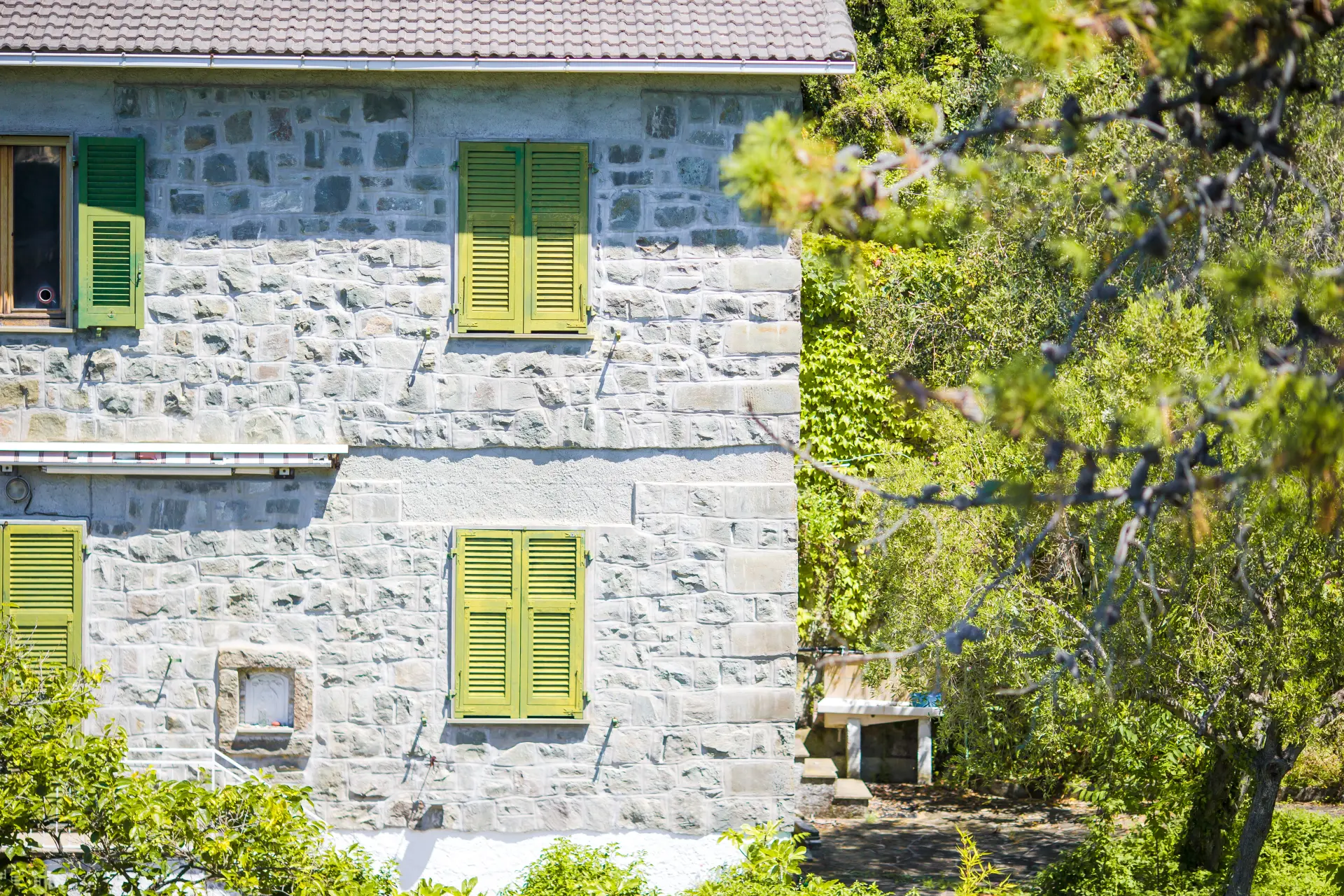
If you want to know what Opatija is like, think of the French Riviera’s elegance or the Italian charm of Monte Carlo, then place it in Croatia.
Perched on the Kvarner Gulf, this lesser-known town is defined by a string of nineteenth-century villas and represents the most elegant slice of the Croatian coast.
Locals and history buffs often call it the “Old Dame” or the “Nice of the Adriatic.” For decades, this was the summer and winter playground for Viennese high society and Austro-Hungarian nobility. The result? A town that feels like Vienna decided to take a holiday at the beach. In other words – perfect!
The name Opatija (which translates to “Abbey”) comes from the ancient Benedictine Abbey of St. James (Sveti Jakov), located in the park of the same name.
But the 19th-century vibe is what grabs you immediately. It is visible everywhere, particularly in the long stretch of grand hotels with pastel facades where Emperor Franz Joseph himself spent his holidays.
This gem of the Adriatic was chosen as a retreat by some of the most important people of the past. James Joyce worked in nearby Pula as an English teacher and frequented the area, for example.
The dancer Isadora Duncan and composer Giacomo Puccini were also regular visitors, drawn by the same mix of sea air and sophistication that brings travelers here today.
Climate & Best Time to Visit
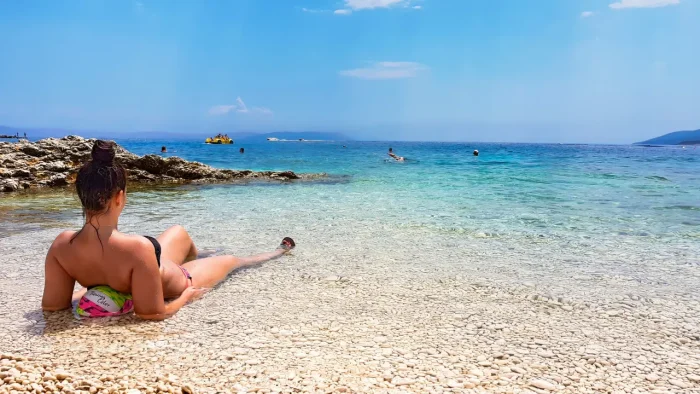
Opatija owes its enduring popularity primarily to its unique microclimate. Summers are warm but rarely scorching, while the winter months remain surprisingly pleasant compared to the continental interior.
Historically, doctors prescribed trips here as a cure for various respiratory illnesses. That tradition lives on, and today the entire region has developed into a world-class wellness center.
The combination of sea aerosols, healing salts, and a quiet atmosphere makes the Riviera a serious destination for health tourism – but don’t expect it to be a boring, slow-paced snooze fest.
What to expect from the weather: July and August are the hottest months. While historical averages sit around 25°C (77°F), recent summers in the Mediterranean have seen daytime highs frequently hitting 30°C (86°F) or more.
The coldest month is January, hovering around 6°C (43°F). If you dislike rain, bring an umbrella or time your trip carefully: November is the wettest month, averaging 181mm of rain.
Pro Tip: The “shoulder seasons” (May/June and September) are the sweet spot. You get the warmth without the peak July crowds, and the costs are lower. September becomes a great choice, as the weather changes.
Opatija on the Map
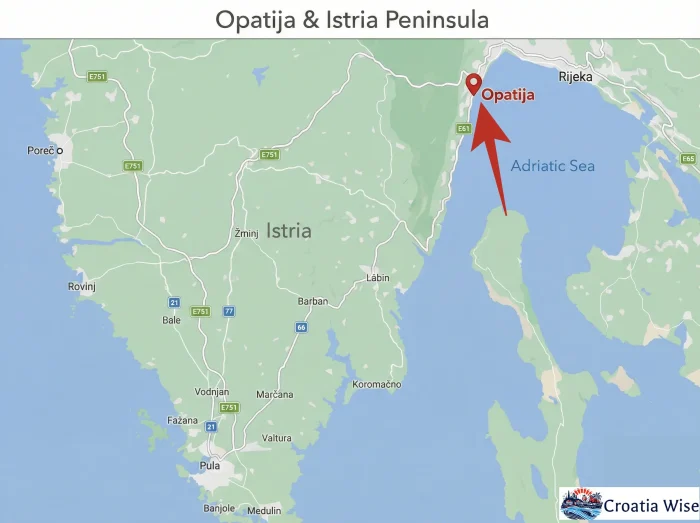
If you look at a map of the Istrian peninsula, Opatija sits right at the top right corner. Geographically, it looks like part of Istria, situated on the border where the peninsula meets the mainland. However, administratively, it belongs to the Kvarner region.
The town is 18 km southwest of Rijeka (the capital of Kvarner), about 72 km from Trieste, Italy, and 96 km from Pula.
Logistics Update: Since Croatia entered the Schengen area and adopted the Euro (€), travel here has become seamless as there are no more border checks when driving from any other Schengen country.
This accessibility keeps Opatija a favorite weekend destination for Austrians and, in recent years, has driven a significant increase in Italian tourists.
Getting To Opatija
There are no direct ferry connections to Opatija itself. For maritime travel, you will use the Rijeka harbor (20 minutes away), which handles all major Kvarner district ferries and catamarans.
By Road: Traveling by bus or car remains the most economic and efficient way to arrive, with plenty of buses connecting Opatija to Rijeka (and further, to the rest of Croatia) constantly, especially during the summer season.
There are also frequent international bus connections from Trieste and intercity lines to Pula, Rovinj, and Poreč (where you can catch ferries to Venice). For all options via bus, I recommend checking Bookaway – or consider car rental from Booking.com.
By Plane: For travelers arriving by air, the nearest option is Rijeka Airport (RJK) located on Krk Island, about 40 km away.
However, check flights to Trieste (TRS) or even Zagreb (ZAG) as well – they often have better international connections and are an easy drive or shuttle away.
For all options within Croatia, I recommend checking my previous article sharing all international airports in the country.
By Train: Before you jump into the train (which is usually my preferred means of transportation in Europe), you should know that Croatia is a bit different.
While Rijeka has a train station, rail travel in Croatia is generally slower than the bus. Unless you are coming directly from Ljubljana or Budapest on a specific line, I recommend sticking to the roads.
Where to Stay: Amazing Opatija Hotels

There is no better way to understand the local heritage than to stay in one of the historical hotels. The first hotels on the Adriatic coast were built right here, setting the foundation for Croatian tourism.
The best part is that they have fortunately been renovated and are generally in great condition, making the entire stay more pleasant.
In terms of recommendations, my top ones are:
- Hotel Miramar – While expensive, it is one of the most impressive hotels in Croatia, not just Opatija. Just check it out here to see the photos and understand what I mean.
- Hotel Ambasador by Liburnia – One of the original ones I was talking about, updated and perfect for any stay.
- Keight Hotel Opatija – If you prefer something ultra-modern instead.
Also read: Best All-Inclusive Resorts in Croatia
Things To See And Do
You don’t have to come here for the sea and beaches only – although they definitely are the main attractions. But here are other things I consider “must do” (or see) when in Opatija:
Lungomare Promenade
Opatija’s top sight is, as anticlimactic as it might sound, a sidewalk. Officially named the Franz Joseph I Promenade, everyone knows it as the Lungomare.
This coastal path stretches 12 kilometers from Volosko to Lovran. You can walk the entire route right along the seaside. The path is paved and offers moments of genuine tranquility. Undisturbed by traffic, this footpath presents a wonderful opportunity to escape the stress of everyday life.
Construction began in 1885, coinciding with the opening of Opatija’s first two hotels (The Kvarner in 1884 and The Imperial in 1885).
It was completed in 1889 when Opatija was declared a climatic health resort. In 1911, during the peak expansion of the Riviera, the promenade was finally connected to the neighboring city of Lovran.
The Girl with a Seagull
Erected in 1956, the statue of a girl with a seagull perched on her hand has become the symbol of Opatija.
Standing on a reef beside the promenade, this elegant statue intrigued walkers for decades because the identity of the girl was unknown.
But she wasn’t the first statue on this rock. In 1891, the family of Count Arthur Kesselstadt raised a statue called ‘Madonna Del Mare’ to honor the Count, who had tragically lost his life near that spot.
Harsh sea conditions eventually damaged the Madonna. A gilded replica now stands in St. James’s Church, but the reef needed a new tenant. The sculptor Zvonko Car created the ‘Maiden with the Seagull,’ but he kept the model’s identity a secret.
For 55 years, no one knew who she was. The mystery was finally solved when Mrs. Jelena Jendrasic from Crikvenica revealed that she had served as the model for the statue. It is a local legend that adds a human touch to the stone.
The Villa Angiolina
The Villa Angiolina is important for Opatija’s tourism. Built in the middle of the 19th century by the Scarpa family (wealthy ship-owners from Rijeka) it is one of the oldest and most beautiful residential structures in town.
The Villa and its adjoining park (filled with exotic plants brought back by the Scarpas’ ships) are the heart of the town. Today, the 160-year-old building houses The Croatian Museum of Tourism.
A Note on Gastronomy
While the architecture is Austrian, the food is distinctly Kvarner. This region is famous for two main things you must try:
- Kvarner Scampi: These are widely considered the best shrimp in the world due to the shallow, clean water of the bay. They are sweet, delicate, and usually expensive, but totally worth it.
- Truffles: With Istria next door, truffles feature heavily on menus here, often shaved over handmade pasta (fuzi).
Beaches in and Around Opatija
If you think summer holidays are all about soft white sand, Opatija might not be the right place for you, like most of Croatia.
Most of the beaches here are concrete platforms or rocky coves. In July and August, they get incredibly crowded, too – but this only proves that the quality is high. The upside is the water clarity – without sand to churn up, the sea is crystal clear.
As far as beaches go, here are my top recommendations:
- Slatina Beach: This is the central city beach. It is largely concrete and convenient, but be aware that the water gets deep almost immediately. It is better for strong swimmers than toddlers.
- Lido Beach: Located next to Angiolina Park, this is the exclusive option. If you want a comfortable lounger, a swimming pool, and waiter service, this is where you pay for it.
- Tomasevac Beach: If you are traveling with children, this is your best bet. Located near the Hotel Ambassador, it has a sandy section (rare here!) and is packed with entertainment options like slides and trampolines.
The Alternative: If you absolutely need a “real” beach with pebbles and nature, do not stay in town. Hop in a car or take the bus 15 minutes south to Medveja or Mošćenička Draga. These two towns feature stunning natural pebble beaches that rival anything in Dalmatia.
Pin it for later:
I hope this travel guide to Opatija convinced you that visiting is indeed the right move. If you still have questions – or maybe experiences to share from this little piece of paradise, don’t hesitate to comment below.